


-134213.jpg)
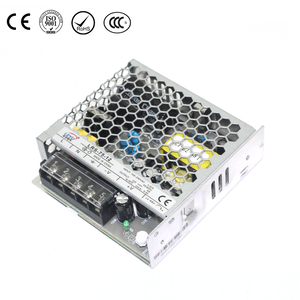
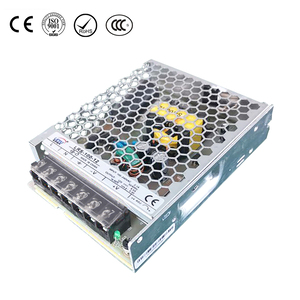
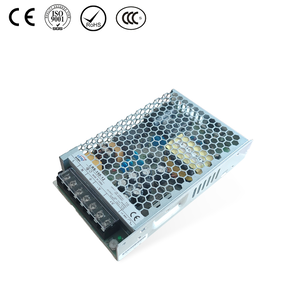
LPV vs LDV: How to choose a stable and durable switching power supply for an LED project?
We support deep customization to help you create a stable, proprietary light source. During the engineering design phase, selecting the right switching power supply for a project serves as the cornerstone that determines the ultimate success and longevity of the entire lighting system. Today, we focus on two core product lines—the LPV and LDV series—to analyze their key differences and the value they offer through customization.
Pure sine wave inverters: providing clean electricity for modern life
In today's world where electricity has become an essential part of daily life, a stable power supply is increasingly important. Whether dealing with sudden power outages, enjoying the freedom of RV camping, or building off-grid solar power systems, inverters play a crucial role. Among them, pure sine wave inverters, due to their high-quality power output, are gradually becoming a common choice for home backup power, outdoor travel, and photovoltaic power generation systems. This article, combining various technical documents and product information, systematically introduces the technical principles, core advantages, electromagnetic interference suppression methods, and applicable scenarios of pure sine wave inverters, helping you gain a clear understanding of this technology.
Top Advantages of Switch Mode Power Supplies (SMPS)
In today’s highly competitive fields of industrial manufacturing, electronic engineering, and commercial product development, selecting the right power supply is a critical decision that impacts product performance, operating costs, compliance, and long-term reliability. For B2B procurement specialists, design engineers, and project managers, switched-mode power supplies (SMPS) have become the preferred alternative to linear power supplies. SMPS are now the power supply solution of choice for automation equipment, communications equipment, medical electronics, renewable energy systems, and consumer electronics worldwide.
The Difference Between Class 2 and Class II
Class 2 (Arabic numeral 2) and Class II (Roman numeral II) are two entirely different concepts in electrical safety. Class 2 and LPS focus on power/energy limitations at the output, with the goal of fire safety; Class II, on the other hand, focuses on the insulation design at the input, with the goal of preventing electric shock.
Button Switch Application Scenarios and Precautions
This article explains piezoelectric switches and traditional metal push-button switches.
LEYU Inverter - Mobile Power Solutions
LEYU pure sine wave inverter brings you clean, stable, and efficient output just like mains electricity! Whether it’s for outdoor camping, vehicle appliances, or home backup power, it can gently power various precision devices. You can safely use laptops, coffee machines, and small household appliances.
Understanding Uninterruptible Power Supplies and How They Work
This guide breaks down the core technologies that make a reliable UPS your best defense against downtime, data loss, and equipment damage.
Complete Guide to Switching Power Supply Repair: From Fault Diagnosis to Safe Restoration
This article provides a systematic method for repairing switched-mode power supplies (SMPS), covering common fault symptoms, step-by-step troubleshooting processes, and key repair techniques to help you quickly diagnose and resolve issues.
Precautions When Using a Switching Power Supply
Leyu Electronics Co., Ltd. is a professional manufacturer of switching power supplies, inverters, and solar controllers.This article describes in detail the precautions that need to be taken when using a switching power supply.
How Switching Power Supplies Work | Leyu Electric
Learn how switching power supplies work, their components, benefits, and common uses in electronics and industry. Expert guide from Leyu Electric.
Switching Power Supply Safety Precautions
A switching power supply changes wall power (AC) into steady DC power using fast switching. It works well and takes up little space. But it has high voltage, gets hot, and can be a fire risk. So, safety is paramount when using it.
