



How to Prepare an OEM Switching Power Supply RFQ: A Buyer's Checklist
Date:2026-11-06 01:12:31 Visit:4
When sourcing an OEM switching power supply, sending a product photo or simply stating a required wattage is rarely enough to obtain an accurate quotation.
A manufacturer needs to understand more than the rated output power. Input voltage, output requirements, installation space, operating environment, protection functions, customization scope, and expected order quantity can all influence product selection, engineering evaluation, pricing, and delivery planning.
An incomplete Request for Quotation (RFQ) may lead to repeated technical questions, unsuitable product recommendations, unexpected costs, or delays during sample development.
For OEM buyers, preparing a structured RFQ is an important first step toward a more efficient sourcing process.
This guide explains what information to include when requesting a quotation for an OEM switching power supply, with a practical checklist that purchasing teams and engineering departments can use.
1. Identify the Application and Project Requirements
Before discussing electrical specifications, explain where and how the power supply will be used.
The application helps the manufacturer understand the actual operating conditions and identify potential technical requirements that may not be obvious from the rated power alone.
For example, a power supply used in an industrial control cabinet may have different installation, cooling, and environmental requirements from one integrated into a commercial electronic device.
Include the following information:
-
Equipment or system name
-
Main application
-
Industry or equipment type
-
Whether the power supply is for a new design or an existing product replacement
-
Whether the project is at the concept, prototype, testing, or mass-production stage
Example application information:
- Application
- Equipment
- Project stage
- Power supply purpose
- Sourcing requirement
These are illustrative details. Actual requirements should reflect the buyer's equipment and project.
Providing application information at the beginning helps reduce unnecessary communication and gives the manufacturer a clearer understanding of the project.
2. Specify the Electrical Requirements
Electrical specifications are among the most important parts of an OEM power supply RFQ.
A manufacturer cannot reliably recommend a suitable model based only on the required wattage. The input conditions and output characteristics must also be considered.
2.1 Input Voltage
Specify the expected AC or DC input voltage.
For an AC-input switching power supply, relevant information may include:
-
Nominal input voltage
-
Required input voltage range
-
AC frequency, such as 50Hz or 60Hz
-
Single-phase or other input requirements, where applicable
For a DC-input power supply, specify the nominal DC voltage and its operating range.
Do not assume that every product supports universal input. Confirm the actual input range against the product datasheet.
2.2 Output Voltage and Current
Clearly state the required output voltage and maximum output current.
For example:
- Output voltage
- Output current
- Rated output power
- Output type
The relationship between output voltage, current, and power is:
Output Power (W) = Output Voltage (V) × Output Current (A)
For a 24V DC power supply delivering 10A:
24V × 10A = 240W.
This calculation provides the rated output power requirement. However, the final selection should also consider continuous operating conditions, load characteristics, ambient temperature, and any applicable derating requirements.
2.3 Other Electrical Parameters
Depending on the application, buyers may also need to specify:
-
Output voltage adjustment range
-
Voltage regulation requirements
-
Ripple and noise limits
-
Line and load regulation requirements
-
Startup time
-
Hold-up time
-
Efficiency requirements
-
Power factor requirements
-
Required output channels
Not every project needs every parameter. If the equipment design has specific limits, provide the relevant values or refer to the applicable technical specification.
3. Define the Mechanical and Installation Requirements
Electrical compatibility does not automatically mean that a power supply will fit the target equipment.
Mechanical requirements should be included in the RFQ, especially when the product is being integrated into an existing enclosure or control cabinet.
Consider the following details:
-
Maximum product dimensions
-
Required installation method
-
Available mounting space
-
Enclosure type
-
Terminal or connector arrangement
-
Cable entry direction
-
Required clearance around the unit
-
Access requirements for wiring and maintenance
Common Power Supply Installation Types
Different installation environments may require different product structures.
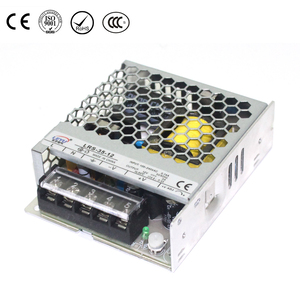
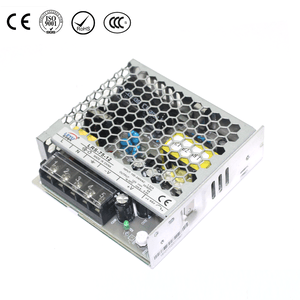
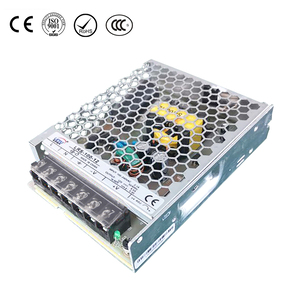
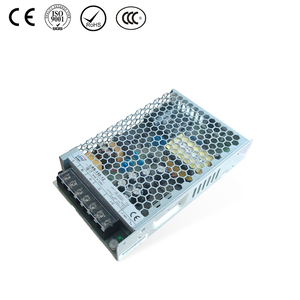
DIN rail power supply - Industrial control cabinets and electrical panelsEnclosed switching power supply - Equipment enclosures and integrated electronic systems
Open-frame power supply - Equipment with an existing protective enclosure
Waterproof power supply - Applications requiring an appropriate level of environmental protection
These are general application examples, not a substitute for checking the actual product's specifications.
If the power supply must replace an existing model, provide the original model number, datasheet, product photographs, and installation dimensions where available.
This can help the manufacturer evaluate compatibility more efficiently.
4. Explain the Operating Environment
A power supply may perform differently depending on the environment in which it operates.
An RFQ should therefore describe the actual installation conditions rather than simply stating that the product is intended for industrial use.
Relevant environmental details include:
-
Operating ambient temperature
-
Storage temperature requirements
-
Relative humidity
-
Ventilation conditions
-
Installation altitude, where relevant
-
Dust exposure
-
Moisture exposure
-
Vibration or mechanical shock
-
Indoor or outdoor installation
Why Temperature and Ventilation Matter
Ambient temperature and cooling conditions can affect the available output capacity and long-term operating conditions of a switching power supply.
For example, a unit installed inside a densely packed control cabinet may experience a higher internal temperature than the surrounding room.
If the equipment operates in a high-temperature environment or has limited ventilation, tell the manufacturer before requesting a quotation.
The manufacturer should evaluate the applicable datasheet, operating limits, and derating requirements rather than assuming that the nominal rated power is available under every condition.
5. List the Required Protection and Functional Features
Protection functions should be matched to the application and equipment design.
Depending on the product and project, buyers may need to specify requirements such as:
-
Overload protection
-
Overvoltage protection
-
Short-circuit protection
-
Overtemperature protection
-
Overcurrent protection
-
Output indication or status LED
-
Remote control or monitoring functions, if required
-
Parallel operation, if supported and required
Do not assume that every switching power supply includes all these functions.
If a particular protection mode or recovery behavior is important, describe the expected behavior in the RFQ and ask the manufacturer to confirm it in writing.
For applications involving multiple power supplies, also clarify whether the system requires load sharing, redundancy, or another specific arrangement. These functions are not interchangeable and must be verified against the selected model's documentation.
6. Clarify the OEM and Customization Scope
OEM requirements can vary significantly between projects.
Some buyers only need their company logo and packaging. Others require mechanical changes, specific connectors, customized output specifications, or a product designed around an existing equipment structure.
Instead of simply writing "OEM required," list the actual customization items.
Common OEM Customization Requirements
- Logo
- Product label
- Packaging
- Product appearance
- Mechanical structure
- Electrical specifications
- Documentation
OEM vs. ODM: What Is the Difference?
OEM and ODM are related but different sourcing arrangements.
OEM (Original Equipment Manufacturer) generally refers to manufacturing products according to a buyer's specifications, approved design, or branding requirements.
ODM (Original Design Manufacturer) generally involves a manufacturer providing product design or development capabilities based on the buyer's application and project requirements.
The exact division of design responsibility should be agreed upon by both parties.
For a more customized project, buyers should clarify:
-
Who provides the initial technical specification?
-
Who is responsible for engineering design?
-
Who approves drawings and samples?
-
Who owns or licenses the relevant design and intellectual property?
-
What changes require a new sample or validation?
Clear responsibility from the beginning can help avoid misunderstandings during development and production.
7. Specify Certification and Compliance Requirements
Certification requirements should be determined by the destination market, product category, and final equipment application.
If the power supply will be sold in multiple countries or integrated into another finished product, the compliance requirements may differ.
When preparing an RFQ, specify:
-
Target sales countries or regions
-
Applicable product safety requirements
-
Required EMC-related documentation or testing
-
Environmental compliance requirements
-
Any customer-specific or industry-specific standards
If your project requires CE, RoHS, or other documentation, state exactly what documents are needed and whether they must apply to the complete power supply or the final equipment.
Important: Do not assume that a certification or declaration for one product model automatically covers another model or a customized version. Ask the manufacturer to confirm the applicable model, documentation scope, and any additional evaluation required.
8. Provide Sample, Testing, and Validation Requirements
For OEM projects, the first quotation is often only the beginning of the sourcing process.
Before mass production, buyers may need samples to verify electrical performance, mechanical compatibility, and integration with their equipment.
Include the following details in the RFQ:
-
Required sample quantity
-
Whether samples are needed before mass production
-
Required evaluation period
-
Electrical test requirements
-
Mechanical fit or installation checks
-
Environmental or application-specific tests
-
Required inspection or acceptance criteria
If the power supply will be integrated into a larger system, describe the relevant system-level validation requirements.
For example, the buyer may need to verify startup behavior, output stability under the intended load, or compatibility with the equipment's control system.
The manufacturer and buyer should agree on the test items, test conditions, acceptance criteria, and responsibility for validation before proceeding.
9. What Should Buyers Do If Some Specifications Are Not Available?
It is common for purchasing teams to contact manufacturers before all technical details have been finalized.
This is especially true when the power supply is part of a new equipment development project.
If certain specifications are unavailable, provide the information you already have:
-
A photograph of the existing power supply
-
The original model number
-
An equipment wiring diagram, if available
-
The required output voltage and current
-
The intended application
-
Available installation dimensions
-
A description of the problem with the current product
The manufacturer can then review the available information and identify which additional details are needed.
For a replacement project, do not rely on appearance alone. A physically similar power supply may have different electrical specifications, terminal assignments, protection behavior, or installation requirements.
Technical compatibility should be confirmed before purchasing.
10. Discuss Your OEM Switching Power Supply Requirements with LEYU
A well-prepared RFQ helps both the buyer and manufacturer understand the project more clearly.
LEYU Electrical provides switching power supply and inverter products for industrial and related applications. For OEM and ODM inquiries, buyers can share their required electrical specifications, application details, customization scope, and expected purchasing quantity for an initial project evaluation.
Depending on the product and project requirements, discussions may cover:
-
Product model and electrical specifications
-
Input and output requirements
-
Installation and mechanical requirements
-
Logo, label, and packaging customization
-
Sample evaluation
-
Estimated order quantity and production planning
The final product configuration, customization feasibility, applicable documentation, and delivery schedule should be confirmed through technical and commercial evaluation.
Ready to Request an OEM Switching Power Supply Quotation?
To help us understand your project, please include the following information in your inquiry:
-
Required input voltage
-
Required output voltage and current
-
Rated output power
-
Intended application
-
Installation type and available dimensions
-
Customization requirements
-
Estimated sample and order quantity
-
Destination country
If you do not have a complete specification, you can still send your existing product information, photos, or application details.
Contact LEYU Electrical to discuss your OEM switching power supply requirements and request a quotation.
